
Begin with the decisions that affect everything else
Agree on the dates or a shortlist, the functions you want, the approximate guests for each and the overall budget. Choose who makes final decisions and who coordinates information between the families. Even a simple shared document can reduce conflicting instructions.
Shortlist venues against guest capacity, access, accommodation needs and the spaces each function requires. Ask about setup and departure times as well as the hours available for the celebration itself. A venue that suits the main wedding might need a separate plan for an earlier haldi or evening sangeet.
Once the date and venue are taking shape
Discuss availability with the vendors whose presence matters to you. Confirm what is being held provisionally and what requires a deposit. Compare written scopes and payment terms before treating any booking as final.
For an Ujjain wedding with travelling guests, collect arrival cities and likely transport needs early. If guests are also planning a local visit, keep that separate from the wedding programme until timings and arrangements have been confirmed. Avoid building the celebration around assumptions about travel time or entry arrangements.
A few months out: connect the creative and practical plans
Develop a visual direction for each function, including colour, décor, lighting and seating. Check those ideas against the real venue dimensions and setup window. A reference image is a starting point; ask what materials and scale the actual proposal includes.
- Decide how guests will find the entrance and each function area.
- List any older guests, children or accessibility needs to plan around.
- Confirm who supplies power, sound, lighting and technical support.
- Make a weather backup plan for outdoor functions.
- Check venue rules and any necessary arrangements with the responsible suppliers.
In the final month: turn ideas into a running order
Create one schedule for arrivals, setup, ceremonies, performances, food service and closing. Name the person responsible for each cue. Allow space between activities for movement, family photographs and small delays rather than filling every minute.
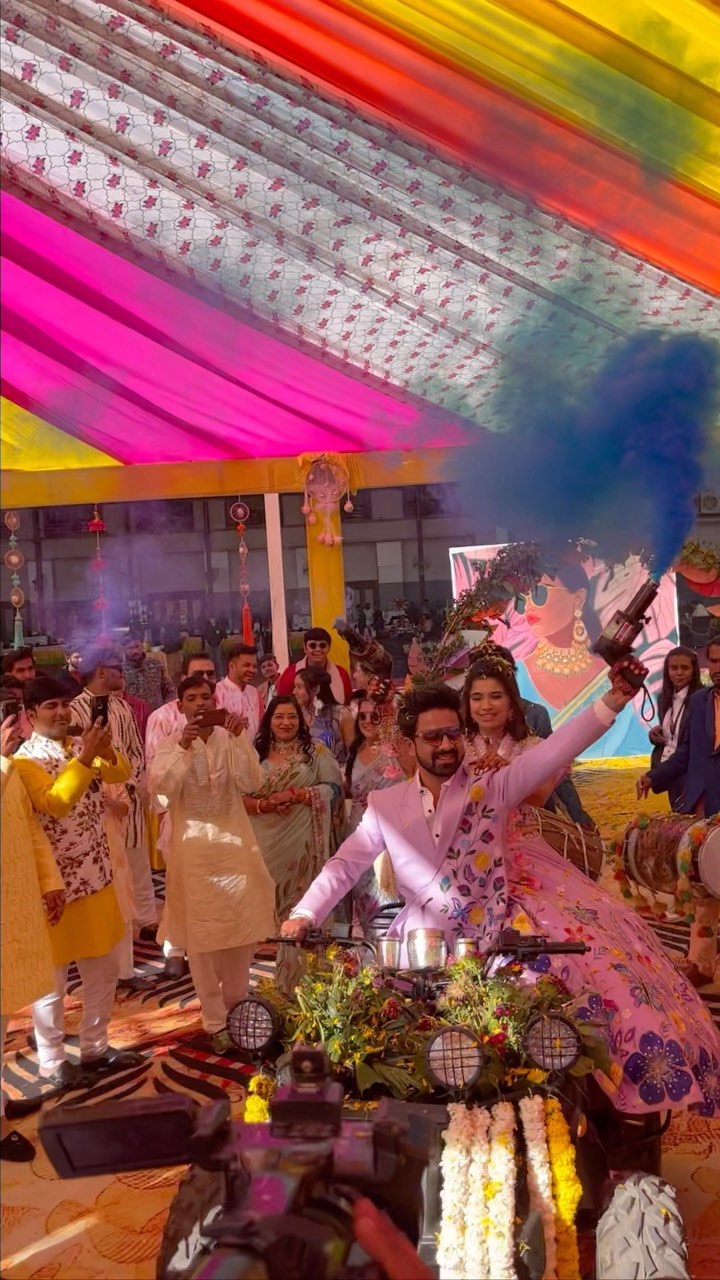
For a sangeet, collect the final tracks, performer names and running order. For a haldi, agree how the couple will enter, where the ritual takes place and how guests move through the space. Share the same current version with the venue, family contacts and relevant vendors.
In the final week: make the handover easy
Confirm guest estimates, delivery windows, contact numbers and outstanding payments. Walk through the layout with the people responsible for setup, or review a clearly marked plan if a visit is not possible. Check access to the stage, seating, food counters and exits.
Prepare a short contact sheet with the family decision-maker, venue contact and each supplier’s event-day lead. Keep a backup copy of important music and documents. Agree how urgent changes will be approved so vendors do not receive conflicting requests.
On the day: let one person hold the plan
The family should know whom to contact without having to coordinate every supplier themselves. The agreed event-day lead should have the running order, contacts and authority boundaries. After the event, reconcile outstanding items against the written scope and approved changes.
If your timeline is shorter, keep this sequence and combine stages where possible. Contact Manas Badera, founder of Eventora India, with your date and current booking status to discuss the help you need. Our budget checklist can sit alongside this timeline.